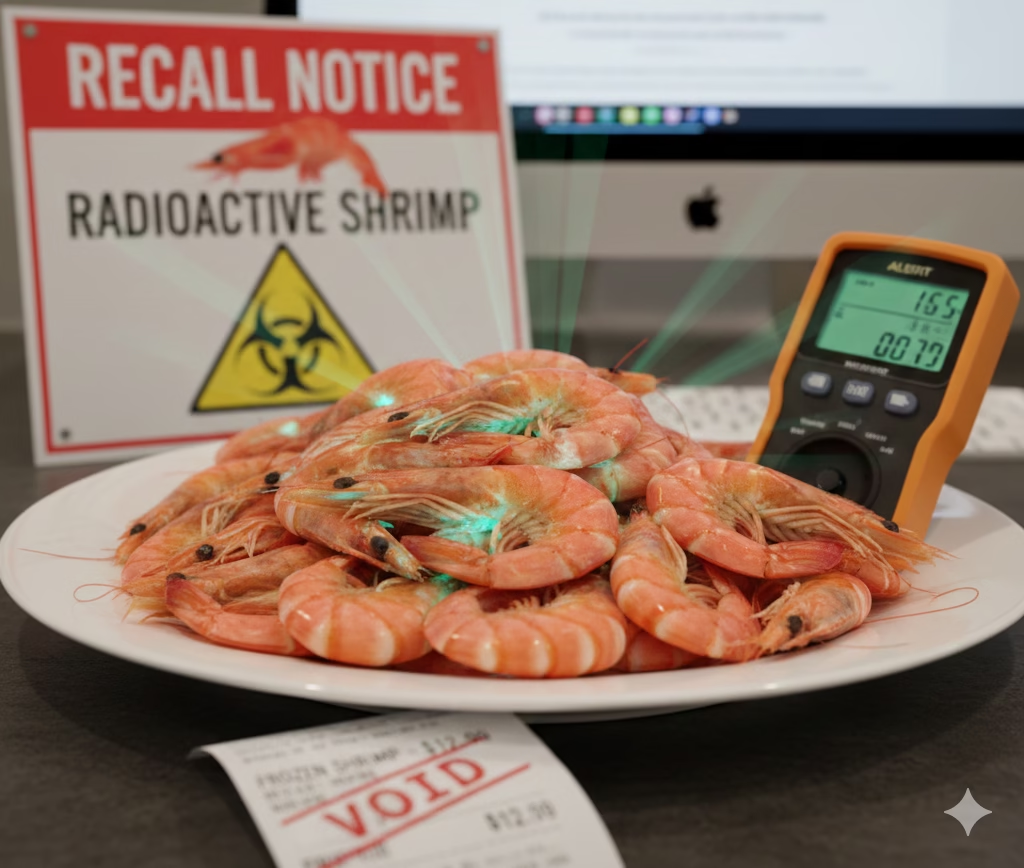
A large recall of frozen shrimp products sold in several U.S. states is drawing attention not only from consumers, but also from retailers, importers, and regulators. The U.S. Food and Drug Administration (FDA) has announced that more than 83,000 bags of frozen raw shrimp have been recalled due to concerns about potential radioactive contamination.
While no illnesses have been reported so far, the recall highlights ongoing risks in global food supply chains and raises important questions for consumers, grocery companies, and investors alike.
What Happened?
The recall involves frozen raw shrimp imported from Indonesia and distributed in the United States by Direct Source Seafood LLC, a company based in Bellevue, Washington. According to the FDA, the shrimp may have been prepared, packed, or stored under unsanitary conditions, which could have exposed the product to cesium-137, a man-made radioactive substance.
Cesium-137 does not occur naturally in food. It is a byproduct of nuclear activity and can pose health risks if people are exposed to it repeatedly over time. The FDA notes that the main concern from long-term, low-level exposure is an increased risk of cancer.
Although the FDA has emphasized that no contaminated shrimp has been confirmed to have entered the U.S. marketplace, the recall was issued as a precautionary measure while investigations continue.
Brands and Retailers Involved
The recalled shrimp was sold under two brand names commonly found in U.S. grocery stores:
- Market 32
- Waterfront Bistro
These brands were distributed through several well-known supermarket chains across the Northeast, Midwest, and Western states.
Market 32 Shrimp Details
- Product size: 1-pound bags
- UPC code: 0 41735 01358 3
- Best by dates: April 22, 2027 through April 27, 2027
- Retailer: Price Chopper
- States sold:
- Connecticut
- Massachusetts
- New Hampshire
- New York
- Pennsylvania
- Vermont
- Dates of sale: On or after July 11, 2025
Waterfront Bistro Shrimp Details
- Product size: 2-pound bags
- UPC code: 021130 13224-9
- Best by dates: April 25, 2027 or April 26, 2027
- Retailers:
- Jewel-Osco
- Albertsons
- Safeway
- Lucky Supermarket
- States sold:
- Colorado
- Iowa
- Idaho
- Illinois
- Indiana
- Montana
- North Dakota
- Nevada
- Oregon
- Utah
- Wyoming
- Dates of sale: On or after June 30, 2025
Consumers who purchased shrimp matching these details are advised not to eat the product.
What Is Cesium-137 and Why Does It Matter?
Cesium-137 is a radioactive material created by nuclear reactions. It has been linked historically to nuclear accidents and improper disposal of radioactive waste. In food products, its presence typically signals contamination during processing, storage, or shipping, rather than an issue with the seafood itself.
Health experts say that brief or one-time exposure is unlikely to cause immediate harm. However, long-term or repeated exposure could raise the risk of serious health problems, including cancer. That risk is what prompted regulators to act quickly, even without confirmed illnesses.
From a regulatory standpoint, the issue is less about panic and more about preventing exposure before it happens.
What the FDA Is Investigating
The FDA is currently investigating reports that shipping containers and frozen shrimp products manufactured in Indonesia may have been exposed to cesium-137. The shrimp in question were produced by PT. Bahari Makmur Sejati, which does business under the name BMS Foods.
According to an FDA statement issued on October 7, 2025, no shrimp that tested positive for cesium-137 had entered the U.S. market at that time. Even so, the agency issued a recall to ensure public safety while the investigation continues.
This type of proactive recall is common when potential contamination involves radioactive substances, even when the actual risk to consumers remains low.
No Illnesses Reported — So Why the Recall?
So far, no illnesses or injuries related to the shrimp have been reported. That fact may lead some consumers to question why the recall was necessary.
The answer lies in how food safety is managed in the United States. When contamination involves substances that could have serious long-term health effects, regulators tend to act early rather than wait for confirmed cases. This approach is designed to protect consumers and maintain trust in the food supply.
For retailers and suppliers, recalls are costly. Products must be removed from shelves, refunded, and often destroyed. However, the financial impact of a recall is usually considered less damaging than the reputational and legal risks of allowing potentially unsafe food to remain on the market.
What Consumers Should Do
If you believe you purchased any of the recalled shrimp:
- Do not eat it
- Dispose of it safely or
- Return it to the store where it was purchased for a full refund
Consumers with questions can contact Direct Source Seafood LLC at 425-455-2291, Monday through Friday, from 8 a.m. to 5 p.m. Pacific Time.
Even if the shrimp appears normal and has been stored properly, consumers are urged not to take chances.
Why This Matters for the Food Industry
Beyond consumer safety, this recall highlights the ongoing challenges faced by the global food industry. Seafood is one of the most internationally traded food products, and supply chains often stretch across multiple countries, ports, and storage facilities.
Each step — harvesting, processing, packaging, shipping, and retail distribution — introduces potential risk. When contamination occurs at any point in that chain, the impact can be widespread.
For grocery chains, this recall underscores the importance of supplier oversight. For importers, it raises questions about monitoring foreign facilities and shipping environments. For regulators, it reinforces the need for continued inspection and testing of imported food products.
Financial and Market Implications
From a financial perspective, food recalls can affect:
- Retailer operating costs
- Supplier contracts
- Insurance claims
- Brand reputation
- Consumer trust
While this recall is unlikely to have a major impact on large grocery chains, repeated incidents across the industry can contribute to rising costs, tighter regulations, and increased scrutiny from investors.
Companies involved in food imports may also face higher compliance costs going forward, especially if inspections of overseas facilities are expanded.
A Reminder for Consumers
For shoppers, the recall serves as a reminder to:
- Pay attention to food safety notices
- Check freezer items for recall alerts
- Keep purchase receipts when possible
- Stay informed through FDA announcements
While the risk in this case appears low, awareness is key to avoiding unnecessary exposure.
Bottom Line
The recall of more than 83,000 bags of frozen shrimp due to potential radioactive contamination may sound alarming, but regulators stress that no confirmed contaminated product has reached consumers and no illnesses have been reported.
Still, the incident highlights the complexity of modern food supply chains and the importance of strong oversight, transparency, and rapid response when safety questions arise.
For consumers, the message is simple: check your freezer, follow recall instructions, and don’t take chances. For businesses and investors, the situation is a reminder that food safety risks can carry both health and financial consequences — even when the danger never materializes.
As investigations continue, the FDA says it will provide updates if new information becomes available.