
Home Insurance Guide 2026: What It Covers, Costs & Policy Types
Home insurance is one of the most important financial protections you can have as a homeowner. Your home is not just a place to live, it is often your biggest investment and the center of your family life. A single unexpected event like a fire, storm, or burglary can cause damage that costs thousands or even hundreds of thousands of dollars to repair.
Home insurance helps protect you from these financial shocks. It pays for repairs or rebuilding after covered damage, replaces personal belongings, and protects you if someone is injured on your property. This guide explains home insurance in simple terms, so you can understand how it works, what it covers, what it does not cover, and how to choose the right policy for your needs.
What Is Home Insurance?
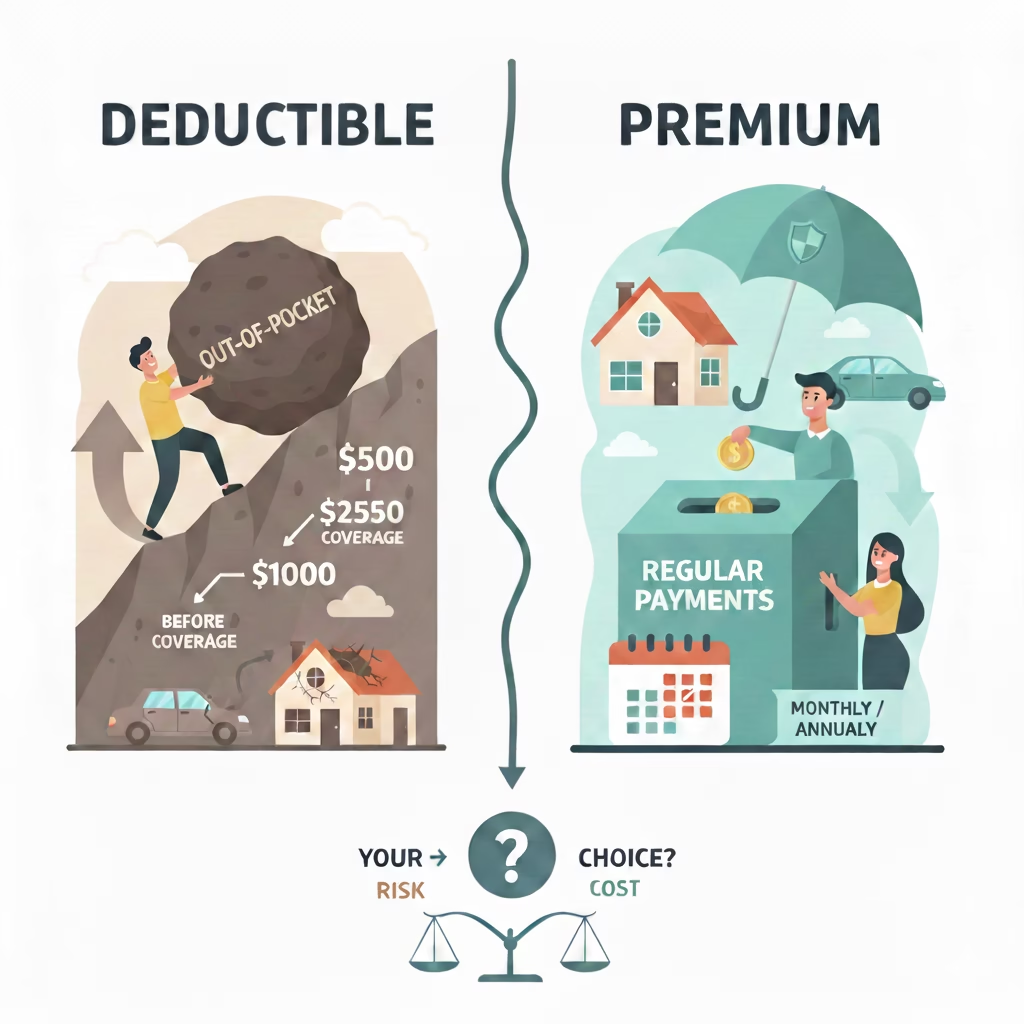
Home insurance is a legal contract between you and an insurance company. In exchange for a yearly payment called a premium, the insurance company promises to help pay for certain losses if something unexpected happens to your home or belongings.
Most home insurance policies last for one year and must be renewed annually. The policy explains:
- What is covered
- What is not covered
- How much the insurance company will pay
- What you must pay out of pocket
Your policy only pays for losses listed in the contract, so it is important to read and understand it before you ever need to file a claim.
Why Is Home Insurance Important?
Your home and everything inside it represent years of hard work and savings. Without insurance, you would be responsible for paying the full cost of repairs or replacement if disaster strikes.
Home insurance helps protect you from:
- Fire and smoke damage
- Storms, wind, and hail
- Theft and vandalism
- Burst pipes and water damage
- Lawsuits if someone is injured on your property
Insurance is designed to cover unexpected events, not regular maintenance or wear and tear. Replacing an old roof or fixing a worn appliance is your responsibility, but damage caused by sudden accidents may be covered.
Is Home Insurance Required?
There is no federal or state law that forces homeowners to buy home insurance. However, most mortgage lenders require it.
If you have a mortgage:
- Your lender will usually require proof of home insurance
- Coverage must be kept active for the life of the loan
- If you cancel or let it lapse, the lender may buy insurance for you
This lender-purchased insurance often protects only the lender and is usually much more expensive. It may not protect your belongings or provide liability coverage, which is why buying your own policy is almost always the better choice.
How to Buy a Home Insurance Policy
You can purchase home insurance directly from an insurance company or through an insurance agent or broker. To provide an accurate quote, insurers usually ask for details such as:
- Description and age of the home
- Square footage
- Distance to the nearest fire station and hydrant
- Security features like alarms or cameras
- Photos of the property
- Previous insurance claims
- Coverage limits you want
Insurance companies review this information using their own risk guidelines to decide whether to offer coverage and how much to charge.
Parts of a Home Insurance Policy
Most home insurance policies include the same basic sections.
Declarations Page
This is the summary page and usually appears first. It lists:
- Your name and address
- Coverage limits
- Premium amount
- Policy period
- Insurance company contact details
Definitions
This section explains the meaning of key words used in the policy. These definitions control how coverage applies.
Coverage Sections
These explain what the policy covers, including:
- Property damage
- Personal liability
Exclusions
This section lists what is not covered. Many people misunderstand exclusions, which can lead to surprises during a claim.
Conditions
These explain your responsibilities and the insurer’s responsibilities, such as how to report a loss.
Endorsements
Endorsements are changes to the standard policy. They can add coverage, increase limits, or exclude certain risks.
Common Types of Home Insurance Policies
Different policies are designed for different living situations.
HO-2 (Broad Form)
Covers only specific risks listed in the policy, such as fire, theft, wind, and vandalism.
HO-3 (Special Form)
The most popular policy. Covers most risks unless they are specifically excluded. Personal belongings are covered for listed risks.
HO-5 (Comprehensive Form)
Offers the broadest protection, covering both the home and belongings for most risks unless excluded.
HO-4 (Renters Insurance)
Designed for renters. Covers personal belongings, liability, and additional living expenses.
HO-6 (Condo Insurance)
Covers the inside of a condo unit, personal property, liability, and certain shared loss assessments.
HO-8 (Modified Coverage)
Designed for older homes where rebuilding costs exceed market value.
What Does Home Insurance Cover?
1. Dwelling Coverage
Pays to repair or rebuild your home’s structure if damaged by a covered event.
2. Other Structures Coverage
Covers detached structures like garages, sheds, or fences, usually up to 10% of dwelling coverage.
3. Personal Property Coverage
Protects belongings such as furniture, clothing, and electronics, even when away from home.
4. Loss of Use (Additional Living Expenses)
Pays extra living costs if your home is unlivable after a covered loss.
5. Personal Liability Coverage
Protects you if you are sued for causing injury or property damage to others.
6. Medical Payments to Others
Pays limited medical costs for guests injured on your property, regardless of fault.
What Home Insurance Does Not Cover
Standard policies usually do not cover:
- Flood damage
- Earthquake damage
- Mold from long-term leaks
- Poor maintenance
- Normal wear and tear
Separate policies or endorsements may be available for some of these risks.
Actual Cash Value vs Replacement Cost
Actual Cash Value
Pays replacement cost minus depreciation. Older items receive lower payouts.
Replacement Cost
Pays to replace items with new ones of similar quality, without depreciation.
Replacement cost coverage usually costs more but provides better protection.
Choosing the Right Coverage Amount
Your home should be insured based on the cost to rebuild, not its market value. Construction costs, labor, and materials all affect rebuilding expenses.
Review your coverage every year, especially if you:
- Remodel
- Add rooms
- Upgrade materials
- Experience rising construction costs
Optional Home Insurance Coverages
You may add extra protection through endorsements such as:
- Flood insurance
- Earthquake insurance
- Identity theft protection
- Water backup coverage
- Scheduled personal property coverage
- Inflation guard protection
What Affects Home Insurance Premiums?
Insurance costs depend on several factors:
- Location and weather risks
- Crime rates
- Home age and condition
- Coverage limits and deductibles
- Claims history
- Safety features
Raising your deductible can lower your premium, but increases out-of-pocket costs during a claim.
How to Reduce Risk and Protect Your Home
Preventive maintenance can lower the risk of damage and claims.
Fire Safety
- Install smoke and carbon monoxide detectors
- Clean chimneys annually
- Service heating systems
Water Damage Prevention
- Inspect plumbing regularly
- Install sump pumps and water alarms
- Prevent ice dams
General Safety
- Trim trees near the roof
- Secure flammable materials
- Avoid overloading electrical outlets
Homeowners Insurance vs Mortgage Insurance
Homeowners insurance protects you and your property.
Mortgage insurance protects the lender if you default on your loan.
They serve different purposes and are not the same.
Final Thoughts
Home insurance is a cornerstone of financial protection for homeowners and renters alike. The right policy can help you recover from unexpected losses, protect your savings, and give you peace of mind. Reviewing your coverage regularly and understanding what your policy includes, and excludes, can make a major difference when you need it most.
Disclaimer
This article is for informational and educational purposes only and does not constitute financial, legal, or insurance advice. Insurance coverage, terms, and availability vary by state, insurer, and individual circumstances. Always review your policy documents carefully and consult a licensed insurance professional before making insurance decisions.
Other topics you might be interested in:
10 Insurance Myths That Are Costing You More Money Than You Think
Auto Insurance Explained: Coverage, Costs, Types & How It Works
Health Insurance Explained: What It Is, How It Works, and Why You Need It
Insurance Deductible vs Premium: What’s the Difference and Which One Costs You More?