


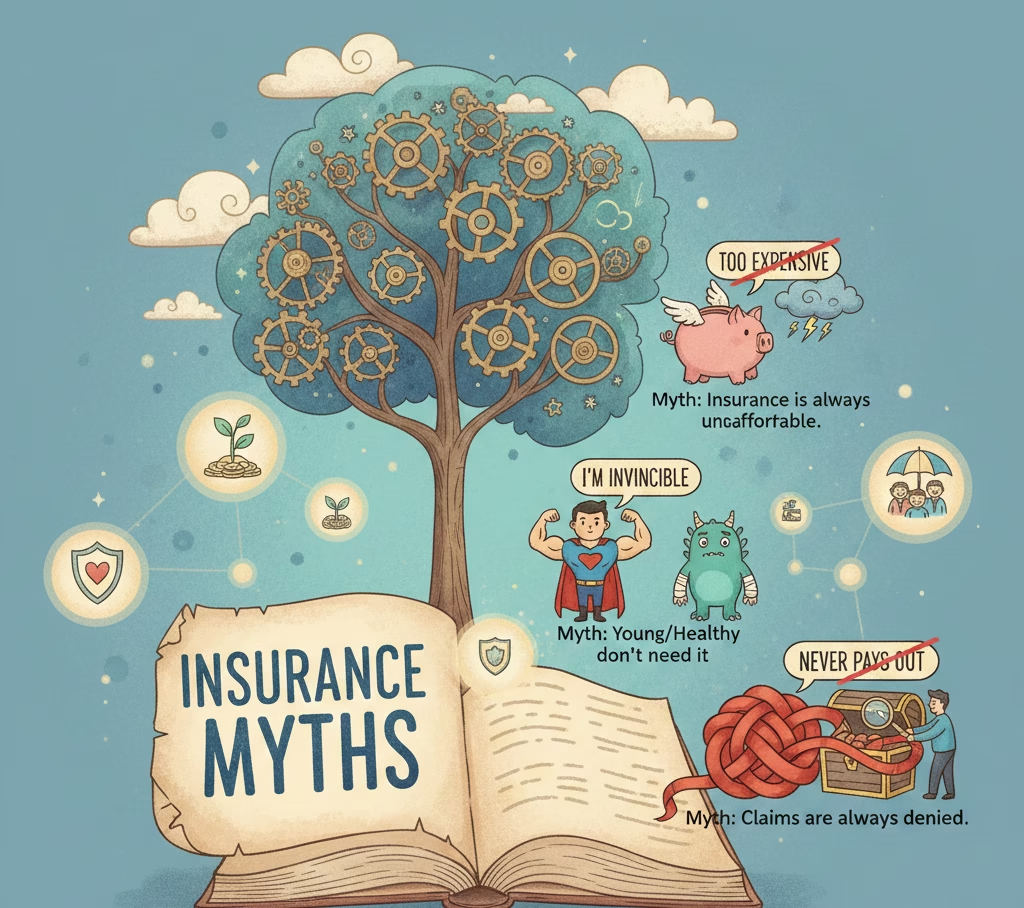
Insurance is meant to protect your finances, not drain them. Yet millions of people end up paying far more than necessary, or staying dangerously underinsured, because they believe outdated or misleading insurance myths.
Whether it’s life insurance, health insurance, disability coverage, or even umbrella insurance, misunderstandings can quietly cost you thousands of dollars over your lifetime. In some cases, they can leave your family exposed when they need protection the most.
In this article, we break down 10 of the most common insurance myths and explain the real facts behind them. Understanding these myths can help you make smarter decisions, avoid unnecessary expenses, and build a stronger financial safety net.
Why Insurance Myths Are So Expensive
Insurance is often seen as complicated, boring, or something to deal with “later.” Because of this, many people rely on assumptions, advice from friends, or half-remembered rules instead of facts.
These myths can lead to:
- Paying higher premiums than necessary
- Gaps in coverage
- Denied claims
- Major out-of-pocket expenses
- Financial stress during emergencies
Let’s clear the confusion.
Myth #1: “I Don’t Need Life Insurance If I’m Single and Healthy”
Why this myth costs money:
Waiting to buy life insurance often means paying much higher premiums later, or losing eligibility altogether.
The Reality
Even if you’re young, healthy, and single, life insurance can still make sense.
Life insurance can:
- Cover funeral and final expenses so your family isn’t burdened
- Pay off debts like student loans or personal loans that someone else may have co-signed
- Provide support for parents, siblings, or other relatives who rely on you financially
Most importantly, life insurance is cheapest when you’re young and healthy. Locking in a policy early can save you thousands over time.
Myth #2: “I’m Too Old to Get Life Insurance”
Why this myth costs money:
Believing this can prevent you from getting any coverage at all.
The Reality
Many insurers offer life insurance options for older adults. While premiums may be higher and coverage options more limited, protection is still available.
Older adults often use life insurance to:
- Cover end-of-life expenses
- Support a spouse
- Leave a financial legacy
- Supplement retirement planning
Age alone does not disqualify you from coverage.
Myth #3: “Life Insurance Only Pays After I Die”
Why this myth costs money:
It causes people to overlook policies that can help them during their lifetime.
The Reality
Some life insurance policies build cash value over time. This money can be accessed while you’re alive and used for:
- Retirement income
- Education costs
- Emergency expenses
- Home improvements or medical needs
When structured correctly, these policies can become a flexible long-term financial tool—not just a death benefit.
Myth #4: “You Only Need Life Insurance If You Earn a Paycheck”
Why this myth costs money:
It ignores the real economic value of unpaid work.
The Reality
Stay-at-home parents, caregivers, and non-working spouses provide services that would be expensive to replace.
These may include:
- Childcare
- Household management
- Cooking and cleaning
- Transportation and scheduling
If that support disappears suddenly, families often face major financial strain. Life insurance helps protect a family’s lifestyle, even if no paycheck is involved.
Myth #5: “My Employer’s Insurance Is Enough”
Why this myth costs money:
Employer coverage often falls short- and disappears when you change jobs.
The Reality
Employer-provided life and disability insurance is a helpful benefit, but it’s usually limited.
Common gaps include:
- Disability insurance that replaces only part of your income
- Life insurance that covers just one or two years of salary
- No coverage if you leave or lose your job
Having your own policy ensures continuous protection regardless of your employment status.
Myth #6: “Disability Insurance Is Only for Accidents”
Why this myth costs money:
It leads people to skip coverage they’re statistically likely to need.
The Reality
Most disabilities are caused by illness, not accidents.
Common causes include:
- Back and joint problems
- Cancer
- Neurological conditions
- Mental health disorders
Disability insurance protects your income if you can’t work for months or years. Without it, people often drain savings, sell assets, or rely on debt.
Myth #7: “Medicare Covers Long-Term Care”
Why this myth costs money:
Long-term care costs can wipe out a lifetime of savings.
The Reality
Medicare covers only short-term, limited care, such as brief stays in skilled nursing facilities. It does not pay for long-term assistance with daily activities like bathing, dressing, or eating.
Long-term care insurance helps cover:
- In-home care
- Assisted living
- Extended nursing home stays
Planning ahead can prevent major financial stress later in life.
Myth #8: “Long-Term Care Insurance Is ‘Use It or Lose It’”
Why this myth costs money:
It discourages people from considering newer, more flexible options.
The Reality
Today, there are alternatives to traditional long-term care insurance.
Some policies:
- Combine life insurance with long-term care benefits
- Pay a death benefit to heirs if care is never needed
This means your money doesn’t go to waste, even if you never use long-term care services.
Myth #9: “You Should Always Choose the Lowest Deductible”
Why this myth costs money:
Low deductibles usually come with higher monthly premiums.
The Reality
A higher deductible can lower your premium significantly.
If you have:
- Emergency savings
- Stable income
- Low claim frequency
Choosing a higher deductible often saves money over time- especially for auto, renters, and homeowners insurance.
Myth #10: “Most People Don’t Need Umbrella Insurance”
Why this myth costs money:
One lawsuit can exceed standard policy limits.
The Reality
Umbrella insurance provides extra liability protection beyond auto and home insurance.
It can protect you if:
- Someone is injured on your property
- You’re involved in a serious accident
- You face a large legal claim
Umbrella policies are surprisingly affordable and can protect years of hard-earned savings.
How Insurance Myths Hurt Your Financial Plan
Believing insurance myths can:
- Delay important decisions
- Increase premiums
- Reduce coverage options
- Leave families financially exposed
Insurance isn’t about fear- it’s about preparation. When used correctly, it supports long-term financial stability and peace of mind.
Tips to Avoid Costly Insurance Mistakes
- Review your coverage regularly
- Don’t rely solely on employer benefits
- Compare policies, not just prices
- Buy coverage early when possible
- Ask questions until you fully understand your policy
A small amount of time spent learning can save a large amount of money later.
Final Thoughts: Knowledge Is the Best Insurance
Insurance doesn’t have to be confusing or expensive, but misinformation makes it both.
By understanding and avoiding these 10 insurance myths, you can:
- Lower unnecessary costs
- Strengthen your financial protection
- Make smarter, more confident decisions
The right insurance strategy isn’t about buying more- it’s about buying what actually fits your life and goals.
Read also:
What Is Insurance? Meaning, Types, Benefits, and How It Works in the United States