


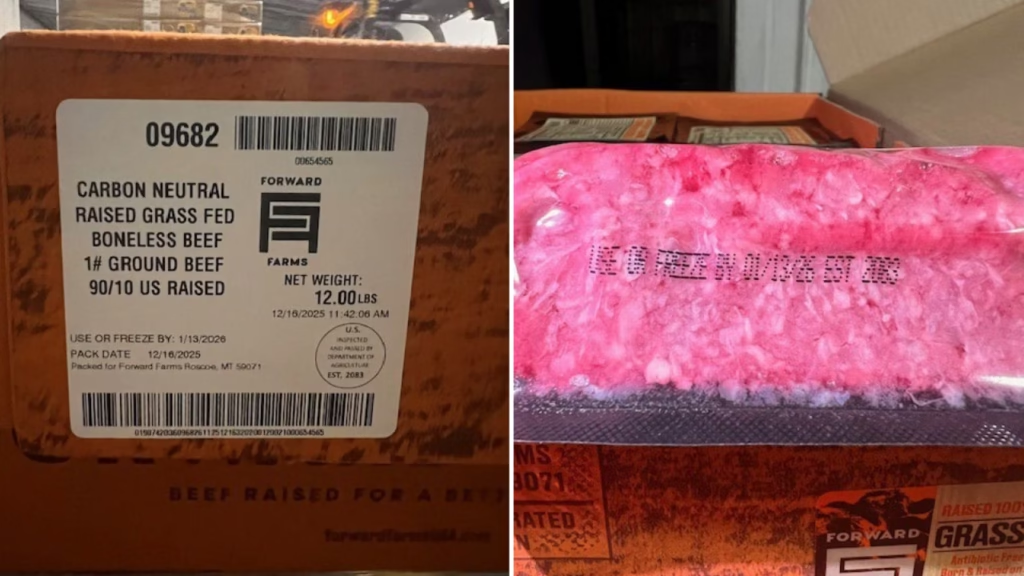
A ground beef recalled notice has put food safety back in the spotlight, reminding consumers, retailers, and investors that even everyday grocery items can carry serious health and financial consequences. While ground beef is a staple in many households, contamination with E. coli bacteria can turn a common meal into a medical emergency—and trigger costly recalls across the food supply chain.
Health officials warn that E. coli infections can cause severe illness, especially among young children, older adults, and people with weakened immune systems. Beyond the health risks, each ground beef recalled event can ripple through the economy, affecting grocery stores, meat processors, farms, and consumer confidence.
What Happens When Ground Beef Is Recalled?
When ground beef is recalled, it means the product may be contaminated with harmful bacteria such as E. coli. These recalls often follow reports of illness or routine testing that finds unsafe bacteria levels. Once contamination is suspected, producers and retailers must act quickly to remove affected products from shelves.
This process is expensive. Companies may face:
- Lost sales and wasted inventory
- Costs related to shipping and disposal
- Legal claims from sick consumers
- Long-term damage to brand reputation
Even a limited recall can disrupt operations across multiple states, especially when ground beef is distributed nationwide.
Why E. coli Is So Dangerous
E. coli infections often begin with stomach cramps and diarrhea. In some cases, people may also experience vomiting, fever, or signs of dehydration. More serious infections can cause bloody stools or urine, which is a clear warning sign that medical care is needed.
According to health authorities, some infections can develop into a life-threatening condition called hemolytic uremic syndrome (HUS). This condition can damage the kidneys and, in rare cases, lead to death. Children under five, adults over 65, and people with compromised immune systems face the highest risk.
Because of these dangers, any ground beef recalled due to E. coli is treated as a serious public health issue, not just a routine product defect.
The Financial Impact of a Ground Beef Recall
From a financial perspective, a ground beef recalled event can quickly escalate into a major business problem. Meat processors may see their stock prices come under pressure as investors worry about lawsuits, regulatory scrutiny, and future sales declines.
Retailers also feel the impact. Grocery stores must pull affected products, issue refunds, and manage customer trust. For large chains, this can involve thousands of locations and millions of dollars in lost revenue.
Farmers are not immune either. If contamination is traced back to specific suppliers, cattle producers may face canceled contracts or tighter inspection rules, raising costs across the agricultural sector.
Consumer Confidence and Spending Behavior
Food safety scares often influence how people shop. When headlines highlight a ground beef recalled, consumers may avoid beef products altogether, switching to chicken, plant-based alternatives, or eating out less frequently.
This shift in behavior can show up in sales data. Beef demand may dip temporarily, while competitors benefit. For investors and analysts, recall news can serve as an early signal of changing consumer trends.
Over time, repeated recalls can weaken trust in certain brands or even entire categories, forcing companies to spend more on marketing and safety improvements to win customers back.
Why Recalls Are Increasing
The number of ground beef recalled announcements has risen in recent years, partly due to improved testing and reporting. Food safety systems are better at detecting contamination early, which helps prevent larger outbreaks but also leads to more frequent recalls.
Global supply chains add another layer of risk. Ground beef often passes through multiple processing stages before reaching store shelves. Each step introduces potential points of failure, increasing the need for strict quality controls.
While these safeguards protect public health, they also raise operational costs for companies, which can ultimately be passed on to consumers through higher prices.
What Consumers Should Do
If you believe you may have eaten ground beef that was recalled, health experts urge you to contact a healthcare provider right away. Early treatment can reduce the risk of serious complications.
Consumers should also:
- Check recall notices from retailers and food safety agencies
- Avoid consuming recalled products, even if they look or smell normal
- Clean surfaces and utensils that may have touched raw beef
From a financial standpoint, staying informed can also help households avoid unnecessary medical expenses and lost workdays due to illness.
Lessons for the Food Industry
Each ground beef recalled incident serves as a reminder that food safety is not optional—it is a core business responsibility. Companies that invest in better testing, cleaner facilities, and transparent communication are often better positioned to recover when problems arise.
For investors, recall events highlight which companies have strong risk management practices and which may be cutting corners. Over the long term, firms with consistent safety records tend to maintain stronger brand loyalty and more stable earnings.
The Bigger Picture
Food recalls may seem like isolated events, but they reflect broader challenges facing the global food system. Rising production costs, tighter regulations, and growing consumer awareness are reshaping how food companies operate.
A single ground beef recalled headline can trigger health alerts, financial losses, and shifts in market behavior—all from a product many people buy without a second thought.
As food safety standards continue to evolve, recalls are likely to remain part of the industry landscape. For consumers, businesses, and investors alike, understanding the risks—and the costs—behind these events is more important than ever.
Other posts you might be interested in:
Meta Acquires AI Startup Manus, Expands Advanced AI Strategy
Intel Stock Weekend Update: Foundry Progress, AI Partnerships, and Why 2026 Matters
What Is the Federal Reserve? Meaning, Role and Why It Matters