Life Insurance: What It Is, How It Works, and How to Choose the Right Policy
Life insurance is one of the most important yet often misunderstood financial tools. Many people delay buying life insurance because they believe it is expensive, complicated, or only necessary later in life. In reality, life insurance is designed to protect your loved ones financially if something unexpected happens to you.
This guide explains what is life insurance, how it works, the different types available, and how to buy the right policy, all in clear and simple language. Whether you are new to insurance or reviewing your existing coverage, this article will help you make informed decisions with confidence.
What Is Life Insurance?
Life insurance is a legal contract between you and an insurance company. Under this agreement, you pay regular payments called premiums, and in return, the insurance company promises to pay a fixed amount of money, known as the death benefit, to your chosen beneficiaries if you pass away while the policy is active.
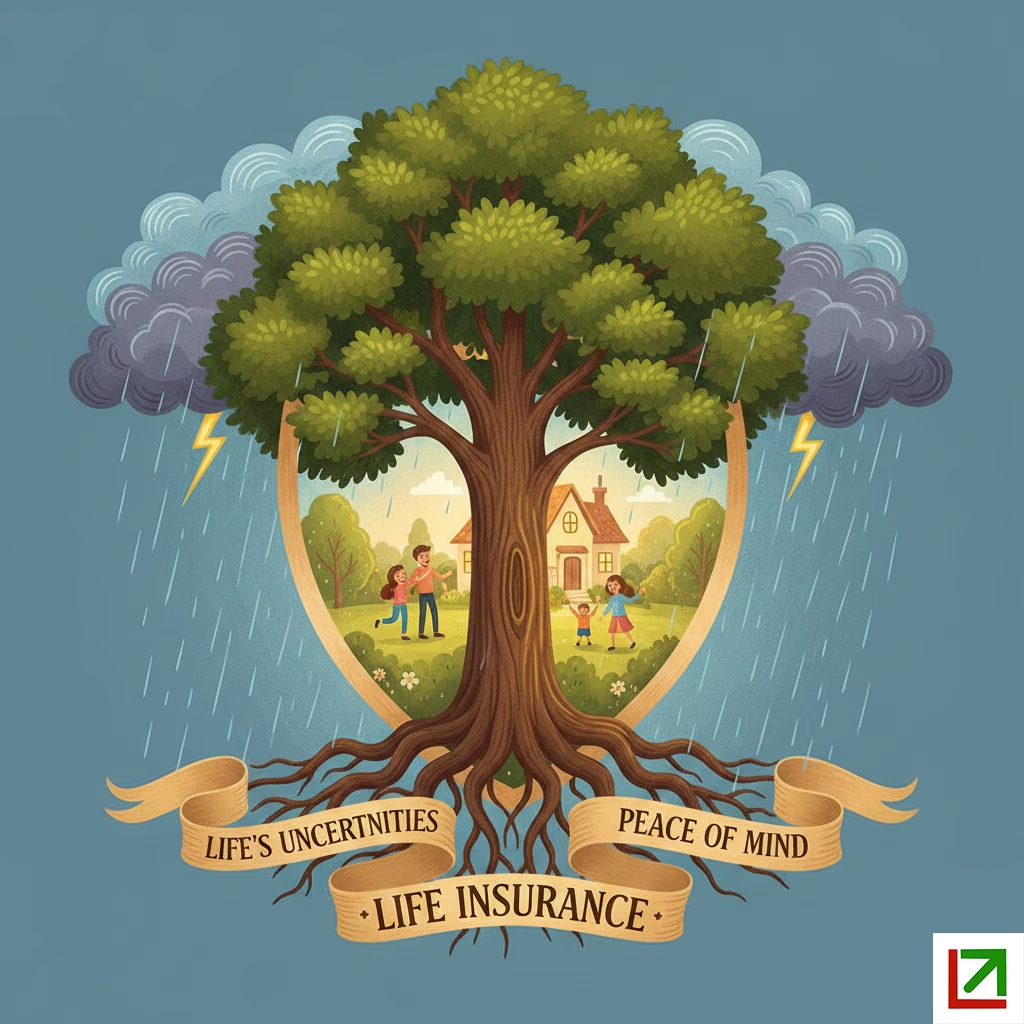
The main purpose of life insurance is to provide financial security to your family or dependents after your death. The payout can help replace lost income, cover daily living expenses, repay debts, and manage future financial needs such as education or retirement for your loved ones.
In simple terms, life insurance acts as a financial safety net that ensures your family can maintain stability even when you are no longer there to support them.
Why Life Insurance Is Important
The loss of a loved one is emotionally devastating. Financial stress during such a time can make things even harder. Life insurance helps reduce that burden by providing immediate financial support.
Life insurance can help your family:
- Pay for funeral and burial expenses
- Replace lost income
- Cover rent or mortgage payments
- Pay off loans and credit card debt
- Fund children’s education
- Maintain their standard of living
Without life insurance, these responsibilities often fall on family members who may not be financially prepared.
How Life Insurance Works
Although life insurance may seem complex, the basic process is straightforward.
Key People Involved
Policyholder
The policyholder is the person who owns the policy and pays the premiums. In most cases, the policyholder is also the insured person, but not always.
Insured Person
This is the person whose life is covered by the policy. If the insured person dies, the death benefit is paid.
Beneficiary
The beneficiary is the person or organization that receives the death benefit. You can name one or multiple beneficiaries, such as a spouse, children, parents, a trust, or even a charity.
You must have an insurable interest, meaning the beneficiary would face financial loss or hardship if the insured person died.
Premiums
Premiums are the regular payments you make to keep the policy active. These can be paid monthly, quarterly, or annually.
Premium amounts depend on several factors, including:
- Age
- Health condition
- Lifestyle habits (such as smoking)
- Occupation
- Coverage amount
- Policy type
Generally, younger and healthier individuals pay lower premiums.
Death Benefit
The death benefit is the amount of money paid to beneficiaries after the insured person’s death. Beneficiaries can usually choose how they want to receive this money, such as:
- A one-time lump sum
- Installments over time
- Monthly income for life
- Interest-only payments
The death benefit is usually tax-free, making it a valuable financial resource.
Claims Process
To receive the payout, beneficiaries must file a claim with the insurance company. This typically requires:
- A claim form
- A certified copy of the death certificate
- The policy number or policy document
Once verified, most insurers pay the death benefit within 30 days, though complex cases may take longer.
Types of Life Insurance
Life insurance policies generally fall into two main categories: term life insurance and permanent life insurance.
Term Life Insurance
Term life insurance provides coverage for a specific period, such as 10, 20, or 30 years. If the insured person dies during this term, the beneficiaries receive the death benefit. If the term ends and the insured is still alive, the policy expires with no payout.
Key Features of Term Life Insurance
- Lower premiums
- Simple and easy to understand
- Fixed premiums during the term
- No cash value component
Common Variations
- Level term: Same death benefit throughout the term
- Convertible term: Can be converted into permanent insurance later
- Increasing term: Death benefit increases over time
- Decreasing term: Death benefit decreases, often used for mortgages
- Renewable term: Can be renewed without a new medical exam
Term life insurance is ideal for people who need affordable coverage during key financial years, such as raising children or paying off a home loan.
Permanent Life Insurance
Permanent life insurance provides coverage for your entire life, as long as premiums are paid. These policies also include a cash value component that grows over time.
Key Features of Permanent Life Insurance
- Lifelong coverage
- Higher premiums than term insurance
- Cash value accumulation
- Potential for loans or withdrawals
Types of Permanent Life Insurance
Whole Life Insurance
Offers fixed premiums, guaranteed death benefit, and steady cash value growth.
Universal Life Insurance
Provides flexibility in premium payments and death benefits, with cash value linked to interest rates.
Variable Life Insurance
Allows investment of cash value in market-based options, with higher growth potential and higher risk.
Variable Universal Life Insurance (VUL)
Combines flexible premiums with investment choices.
Indexed Universal Life Insurance (IUL)
Cash value growth is linked to a stock market index, with limits on gains and losses.
Final Expense Insurance
Designed to cover funeral and burial costs, often chosen by seniors.
Simplified Issue Insurance
No medical exam, but higher premiums.
Guaranteed Issue Insurance
No health questions, limited coverage, and higher cost.
Understanding Cash Value
Cash value is a savings component found in permanent life insurance policies. A portion of your premium goes into this account and grows over time.
You can access cash value by:
- Taking a loan against it
- Making a withdrawal
- Surrendering the policy
Be aware that loans and withdrawals reduce the death benefit and may cause the policy to lapse if not managed properly.
Common Life Insurance Riders
Riders are optional add-ons that enhance your policy. Common riders include:
- Accidental death benefit rider
- Waiver of premium rider
- Long-term care rider
- Chronic illness rider
- Guaranteed insurability rider
- Child term rider
- Return of premium rider
While riders add flexibility, they also increase costs, so evaluate them carefully.
How to Buy Life Insurance
Buying life insurance is a major financial decision. Following a structured approach can help you choose wisely.
Step 1: Assess Your Financial Needs
Consider:
- Income replacement
- Outstanding debts
- Future expenses (education, marriage)
- Funeral and final expenses
Online calculators or financial advisors can help estimate coverage.
Step 2: Compare Policies and Insurers
- Get quotes from multiple insurers
- Check financial strength ratings
- Read customer reviews
- Compare policy features and riders
Step 3: Complete the Application
You may need:
- A medical exam
- Health and lifestyle details
- Family medical history
No-exam options are available but usually cost more.
Step 4: Review and Finalize the Policy
Check:
- Coverage amount
- Premiums
- Policy term
- Riders
- Exclusions
- Beneficiary details
Step 5: Review Your Policy Regularly
Update your policy after major life events such as:
- Marriage or divorce
- Birth of a child
- Buying a home
- Career changes
Benefits of Life Insurance
Life insurance offers many advantages:
- Financial security for loved ones
- Tax-free death benefits
- Income replacement
- Debt protection
- Estate planning support
- Charitable giving options
- Supplemental retirement income
Who Needs Life Insurance?
Life insurance is useful for:
- Parents and guardians
- Homeowners and renters
- Business owners
- Seniors
- Stay-at-home parents
- Single individuals with debts
- High-net-worth individuals
What Happens If You Die Without Life Insurance?
Without life insurance:
- Funeral expenses fall on family
- Debts may remain unpaid
- Dependents may struggle financially
- Asset distribution can take months
Life insurance provides faster and more reliable financial support.
Best Age to Buy Life Insurance
There is no single best age, but buying earlier usually means:
- Lower premiums
- Easier approval
- Long-term savings
Waiting can increase costs or limit eligibility.
Life Insurance Payout Timeline
Most insurers pay claims within 30 days after submission. While there is usually no strict deadline to file a claim, delays can complicate the process.
The Bottom Line
Life insurance is a powerful financial tool that protects your loved ones when they need it most. By understanding how it works, comparing options, and choosing the right policy, you can create lasting financial security and peace of mind.
The best life insurance policy is one that fits your personal needs, budget, and long-term goals.
Disclaimer
This article is for informational and educational purposes only and does not constitute financial, insurance, tax, or legal advice. Life insurance policies, terms, coverage, and regulations may vary by insurer and jurisdiction. Always consult a licensed insurance advisor, financial planner, or qualified professional before purchasing or modifying any life insurance policy.
People also ask:
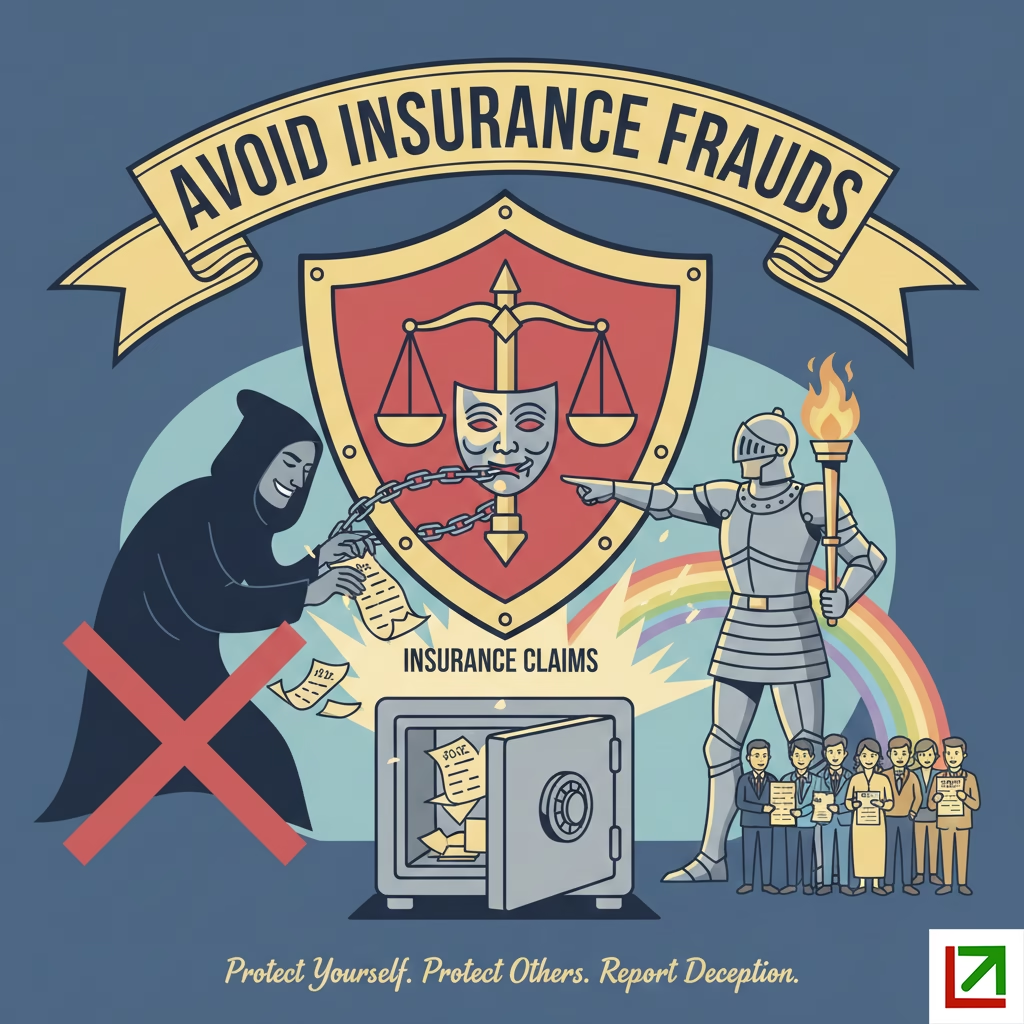
Q1. What is insurance fraud?
Insurance fraud occurs when false or misleading information is used to gain financial benefits from an insurance policy.
Q2. How can I check if an insurance policy is genuine?
Always buy policies from licensed insurers, verify documents, and cross-check details on the insurer’s official website.
Q3. What are common signs of insurance scams?
Pressure to act quickly, unusually low premiums, lack of written documents, and requests for cash payments.
Q4. Can insurance fraud affect honest customers?
Yes. Fraud increases overall claim costs, which often leads to higher premiums for genuine policyholders.
Other topics you might be interested in:
Auto Insurance Explained: Coverage, Costs, Types & How It Works
Health Insurance Explained: What It Is, How It Works, and Why You Need It
Home Insurance Explained: Coverage, Costs, Types & How to Choose the Right Policy
Pet Insurance Explained: Cost, Coverage, and Whether It’s Worth It